
Understanding how unified commodity dashboards work can dramatically simplify the way you monitor markets and make decisions. Commodity markets move quickly, and tracking multiple assets across different platforms can feel overwhelming. Because of this, many traders and investors struggle to stay organized and miss important signals.
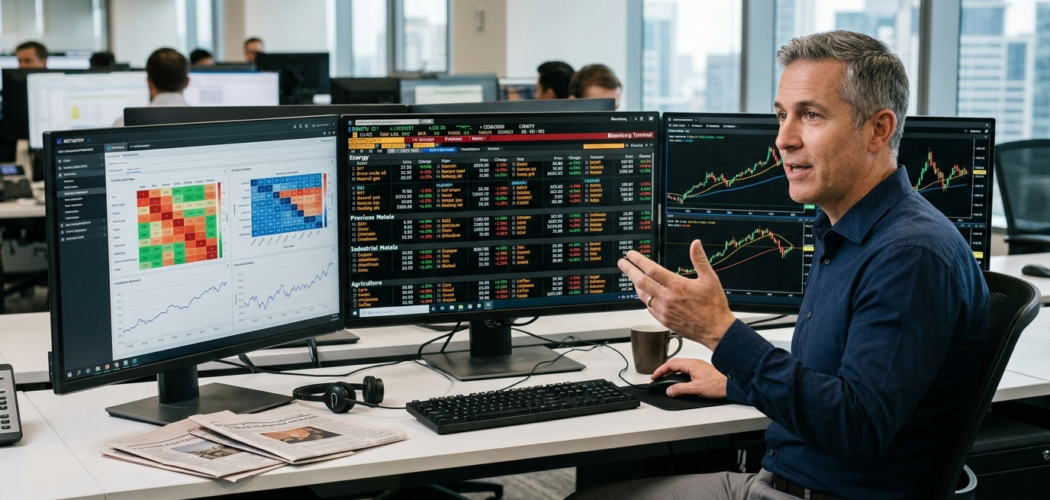
At the same time, unified commodity dashboards solve this problem by bringing everything into one place. Instead of jumping between charts, news feeds, and data sources, you can view all relevant information in a single interface. When you use unified commodity dashboards effectively, you gain clarity, save time, and improve your ability to respond to market changes.
Why Unified Dashboards Matter in Modern Trading
To fully appreciate unified commodity dashboards, it is important to understand the challenges they solve. Commodity markets are influenced by a wide range of factors, including price movements, economic data, weather conditions, and geopolitical events. Tracking these variables separately can lead to confusion.
For example, you might check one platform for price charts, another for news, and a third for economic indicators. This fragmented approach slows down analysis and increases the risk of missing key information.
In contrast, unified commodity dashboards integrate these elements into a single system. This integration improves efficiency and allows you to focus on decision-making rather than data collection.
Key Features That Make Dashboards Effective
When evaluating unified commodity dashboards, certain features stand out as essential. First, real-time data is crucial. Markets change rapidly, and having up-to-date information ensures that your decisions are based on current conditions.
Second, customizable layouts allow you to organize information according to your strategy. You can prioritize specific commodities, indicators, or news sources. This flexibility makes dashboards more practical.
Third, advanced charting tools provide visual insights into price movements. Charts help identify trends, patterns, and potential opportunities.
In addition, integrated alerts notify you of important changes. These notifications allow you to act quickly without constantly monitoring the market. Together, these features make dashboards powerful tools for analysis.
Popular Platforms That Offer Unified Dashboards
Several platforms provide unified commodity dashboards that combine multiple data sources. TradingView is one of the most widely used options. It offers real-time charts, customizable layouts, and a large community of users. This combination makes it accessible for both beginners and experienced traders.
Bloomberg Terminal is another comprehensive platform. It integrates financial data, news, and analytics into a single interface. While it is more expensive, it provides extensive coverage across global markets.
Refinitiv Eikon also delivers a unified experience by combining data, research, and analytics. It is commonly used by professionals who require detailed insights.
Additionally, platforms like MetaTrader can be customized with plugins to create a unified dashboard experience. This flexibility allows users to tailor their setup to specific needs.
How Dashboards Improve Market Awareness
One of the main advantages of unified commodity dashboards is improved awareness. By displaying multiple data points simultaneously, dashboards provide a clearer picture of market conditions.
For example, you can view price charts alongside economic news and volatility indicators. This combination helps you understand not only what is happening but also why it is happening.
In addition, dashboards reduce the time required to gather information. Instead of searching for data, you access everything instantly. This efficiency allows you to react more quickly to market changes.
Moreover, having a centralized view reduces the likelihood of missing important signals. This awareness supports better decision-making and increases confidence.
Combining Technical and Fundamental Data
To use unified commodity dashboards effectively, combining technical and fundamental analysis is essential. Technical data focuses on price movements, while fundamental data provides context.
For instance, a sudden price increase may indicate a breakout. However, understanding the underlying cause, such as supply disruption, adds clarity. This combination improves the accuracy of your analysis.
Unified commodity dashboards make this process easier by integrating both types of data. Instead of switching between tools, you analyze everything in one place. This integration enhances your ability to interpret market behavior.
Using Alerts to Stay Ahead of Market Changes
Alerts are a key feature of unified commodity dashboards. They allow you to monitor markets without constant attention. By setting specific conditions, you receive notifications when those conditions are met.
For example, you can set alerts for price levels, indicator changes, or news events. When an alert is triggered, you are notified immediately. This responsiveness helps you act quickly.
In addition, alerts reduce stress. Instead of watching charts continuously, you rely on your system to notify you. This approach improves efficiency and allows you to focus on strategy.
Avoiding Information Overload With Smart Design
While unified commodity dashboards provide valuable insights, it is important to avoid information overload. Too much data can lead to confusion and poor decisions.
To prevent this, focus on the most relevant information for your strategy. For example, if you trade short-term, prioritize real-time data and volatility indicators. If you invest long-term, focus on broader trends.
In addition, keeping your dashboard simple improves clarity. Avoid unnecessary metrics that do not contribute to your analysis. This streamlined approach ensures that your decisions remain focused.
Building a Consistent Workflow With Dashboards
Consistency is essential when using unified commodity dashboards. A structured workflow helps you stay organized and informed. Without a routine, even the best tools lose their effectiveness.
For example, you might start your day by reviewing price movements, checking news updates, and analyzing key indicators. This process ensures that you remain aware of market conditions.
In addition, documenting your observations helps refine your strategy. By tracking patterns, you identify what works and what does not. This continuous improvement strengthens your approach.
Adapting Dashboards to Changing Conditions
Markets are dynamic, and your use of unified commodity dashboards should reflect this. As conditions change, your focus may need to shift. For example, during volatile periods, monitoring risk indicators becomes more important.
At the same time, updating your dashboard ensures that it remains relevant. Adding or removing data points based on your strategy improves efficiency.
Moreover, flexibility allows you to respond to new opportunities. By adapting your setup, you maintain an edge in changing markets.
Long-Term Benefits of Using Unified Dashboards
Over time, unified commodity dashboards provide significant advantages. By combining multiple data sources, you gain a deeper understanding of market behavior. This insight supports better decision-making.
In addition, dashboards improve efficiency by reducing the need for multiple tools. This streamlined approach saves time and enhances productivity.
Furthermore, using dashboards consistently builds confidence. As you become familiar with the data, you develop a clearer perspective. This confidence improves your ability to navigate markets effectively.
Conclusion
Unified commodity dashboards offer a powerful solution for tracking markets easily and efficiently. By integrating data, charts, and alerts into a single platform, they simplify analysis and improve decision-making. While markets can be complex, having a centralized system brings clarity and structure.
At the same time, success depends on how you use these tools. By focusing on relevant data, maintaining a consistent workflow, and adapting to changing conditions, you maximize their benefits. Ultimately, those who leverage unified dashboards effectively are better equipped to stay informed, act quickly, and succeed in commodity markets.
FAQ
- What is a unified commodity dashboard?
It is a platform that combines multiple data sources into a single interface for easier tracking. - Are unified dashboards suitable for beginners?
Yes, many platforms offer user-friendly features that make them accessible to new users. - Do I need paid tools for effective dashboards?
Not necessarily; some free platforms provide powerful features for tracking commodities. - How can dashboards improve trading decisions?
They provide real-time data and insights, helping you respond quickly to market changes. - Can I customize my dashboard layout?
Yes, most platforms allow customization to match your strategy and preferences.