
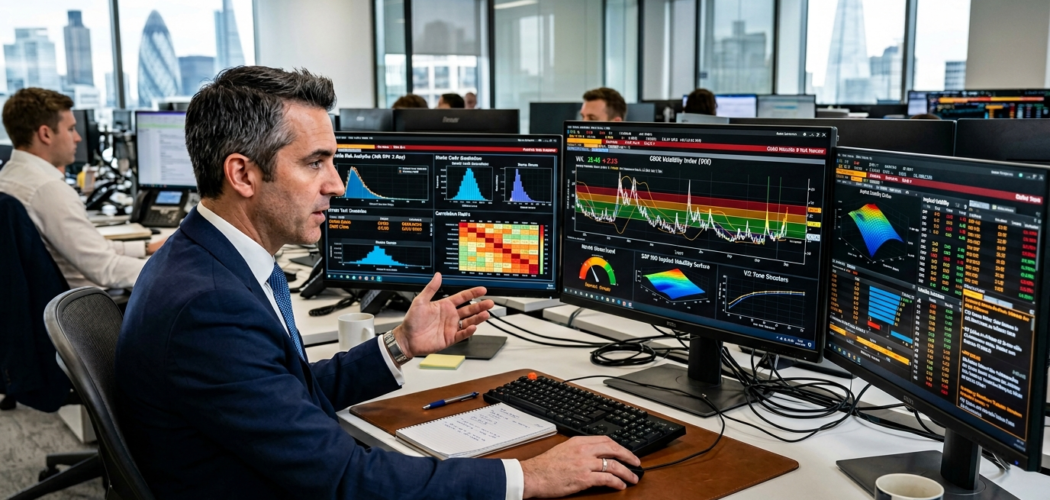
If you want to monitor market volatility tools effectively, you need a clear system that helps you track price swings, risk levels, and market behavior in real time. Financial markets can change rapidly, and without proper tools, it becomes difficult to stay informed and make confident decisions. Because of this, traders and investors rely on specialized platforms to simplify complex data and turn it into actionable insights.
At the same time, volatility is not always negative. While it introduces uncertainty, it also creates opportunities for those who understand how to manage it. When you learn to monitor market volatility tools properly, you gain the ability to anticipate changes, reduce risk, and improve your overall strategy. This approach allows you to move from reacting to planning.
Why Monitoring Volatility Is Essential
To successfully monitor market volatility tools, you must first understand why volatility matters. Volatility measures how much prices fluctuate over a specific period. High volatility indicates rapid price changes, while low volatility suggests stability. Both conditions require different strategies.
For example, during high volatility, markets may present quick trading opportunities. However, they also carry higher risk. On the other hand, low volatility often signals consolidation, where prices move within a narrow range. Recognizing these conditions helps you adapt your approach.
In addition, monitoring volatility helps protect your capital. By identifying periods of increased risk, you can adjust your exposure and avoid unnecessary losses. This awareness becomes a key part of long-term success.
Using Trading Platforms for Real-Time Tracking
One of the most effective ways to monitor market volatility tools is through advanced trading platforms. Platforms like TradingView, MetaTrader, and ThinkorSwim provide real-time data, charts, and indicators. These features allow you to analyze market conditions instantly.
TradingView, for example, offers customizable charts and volatility indicators. You can track multiple assets and compare their movements. This flexibility makes it easier to identify patterns and trends. In addition, the platform includes community insights, which can provide additional perspectives.
MetaTrader is another widely used platform. It supports automated trading and advanced technical analysis. By using these tools, you can monitor market volatility tools more efficiently and make faster decisions.
Volatility Indexes and What They Reveal
To better monitor market volatility tools, understanding volatility indexes is essential. These indexes measure expected market fluctuations and provide insight into investor sentiment. The most well-known example is the VIX, often called the “fear index.”
When the VIX rises, it indicates increased uncertainty and higher volatility. Conversely, a low VIX suggests calmer market conditions. By tracking these changes, you can gauge overall market sentiment.
In addition, volatility indexes help you anticipate potential shifts. For example, a sudden increase may signal upcoming market turbulence. Therefore, including these indexes in your analysis improves your ability to manage risk.
Risk Management Tools for Better Control
Another important aspect of how to monitor market volatility tools involves using risk management features. Many platforms offer tools such as stop-loss orders, position sizing calculators, and risk-reward analysis.
Stop-loss orders automatically close trades at predefined levels, limiting potential losses. Position sizing tools help determine how much capital to allocate to each trade. These features ensure that your risk remains controlled.
Moreover, risk-reward analysis allows you to evaluate potential outcomes before entering a trade. By comparing possible gains to potential losses, you make more informed decisions. As a result, your strategy becomes more structured and disciplined.
Economic Calendars and Market Events
Economic calendars are essential if you want to monitor market volatility tools effectively. These calendars track important events such as interest rate decisions, inflation reports, and employment data. These events often trigger significant market movements.
For example, central bank announcements can cause sudden price swings across multiple markets. By knowing when these events occur, you can prepare accordingly. This preparation reduces the likelihood of being caught off guard.
In addition, economic calendars help you connect events with market reactions. Over time, this understanding improves your ability to anticipate volatility. Therefore, integrating these tools into your routine enhances your overall analysis.
Using Alerts and Notifications
Alerts and notifications are simple yet powerful tools to monitor market volatility tools. Instead of constantly watching the market, you can set alerts for specific price levels or conditions. These alerts notify you when important changes occur.
For example, you can set alerts for breakout levels or significant price movements. When triggered, these notifications allow you to act quickly. This feature is especially useful for traders who cannot monitor the market continuously.
In addition, alerts help reduce stress. You no longer need to track every movement manually. Instead, you focus on key levels and respond only when necessary.
Analyzing Volatility With Indicators
Technical indicators play a major role when you monitor market volatility tools. Indicators such as Bollinger Bands, Average True Range (ATR), and standard deviation provide insights into price fluctuations.
Bollinger Bands expand and contract based on volatility. When the bands widen, volatility increases. Conversely, when they narrow, the market becomes more stable. This visual representation helps you identify changing conditions.
ATR measures the average range of price movement over time. A rising ATR indicates increasing volatility, while a declining ATR suggests stability. By combining these indicators, you gain a clearer understanding of market behavior.
Integrating Multiple Tools for Better Insights
To effectively monitor market volatility tools, combining different resources is essential. Relying on a single tool may limit your perspective. Instead, using multiple tools provides a more comprehensive view.
For example, combining chart analysis with economic calendars and volatility indexes creates a balanced approach. Each tool offers unique insights, which together improve decision-making.
At the same time, integration helps you confirm signals. When multiple tools indicate the same trend, confidence in your analysis increases. This confirmation reduces uncertainty and supports better outcomes.
Avoiding Common Mistakes When Tracking Volatility
While learning to monitor market volatility tools, it is important to avoid common mistakes. One common error is overloading your system with too many indicators. This approach can create confusion rather than clarity.
Another mistake is ignoring context. Volatility does not exist in isolation; it is influenced by broader market conditions. Therefore, always consider the bigger picture when analyzing data.
Emotional reactions also pose a challenge. Rapid price changes can lead to impulsive decisions. By relying on your tools and strategy, you reduce emotional influence and maintain discipline.
Building a Consistent Monitoring Routine
Consistency is key when you monitor market volatility tools. Developing a daily routine helps you stay organized and informed. Without consistency, even the best tools lose effectiveness.
A typical routine might include reviewing charts, checking economic calendars, and analyzing key indicators. This process ensures that you remain updated on market conditions.
In addition, keeping a record of your observations helps track progress. Over time, you will notice patterns and improve your understanding. This continuous learning process strengthens your strategy.
Conclusion
Learning how to monitor market volatility tools is essential for managing risk and making informed decisions in dynamic markets. By using the right combination of platforms, indicators, and data sources, you gain a clearer understanding of price movements and risk levels. This knowledge allows you to adapt your strategy and respond effectively to changing conditions.
At the same time, success depends on consistency and discipline. By building a structured routine and avoiding common mistakes, you create a reliable system that supports long-term growth. Ultimately, those who master volatility monitoring are better equipped to navigate uncertainty and achieve more stable results.
FAQ
- What is the best tool for tracking market volatility?
Platforms like TradingView and MetaTrader offer real-time data and powerful indicators for tracking volatility. - How do volatility indexes help traders?
They measure market uncertainty and provide insight into potential price movements. - Are alerts useful for monitoring markets?
Yes, alerts notify you of key changes, allowing you to act quickly without constant monitoring. - Can beginners use volatility tools effectively?
Yes, many tools are beginner-friendly and provide simple ways to understand market conditions. - How often should I check volatility levels?
Daily monitoring is ideal, but consistency is more important than frequency.