

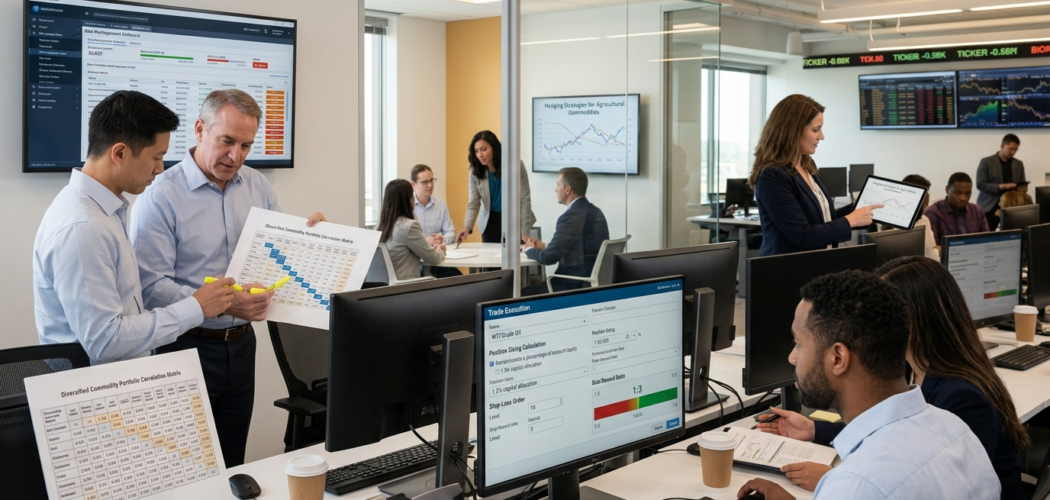
If you want to reduce risk trading commodities, you need more than just basic knowledge of markets. Commodity trading offers strong opportunities, but it also comes with high volatility and uncertainty. Because of this, traders who succeed over time are those who focus on managing risk just as much as they focus on profits. Without a clear strategy, even small market moves can quickly lead to losses.
At the same time, many beginners make the mistake of chasing gains without understanding downside protection. However, once you learn how to reduce risk trading commodities, your entire approach becomes more stable and disciplined. Instead of reacting emotionally, you begin to act strategically. This shift is what separates consistent traders from those who struggle to stay profitable.
Understand Market Volatility Before You Trade
To effectively reduce risk trading commodities, you must first understand how volatile these markets can be. Commodities respond quickly to global events, supply disruptions, and economic shifts. As a result, prices can move sharply within a short period.
For example, oil prices can spike due to geopolitical tensions, while agricultural commodities may fluctuate based on weather conditions. Because of these factors, traders must always expect sudden price swings. By accepting volatility as part of the market, you can prepare rather than panic.
Moreover, understanding volatility helps you choose better entry and exit points. Instead of entering trades randomly, you begin to analyze price behavior more carefully. This awareness allows you to make informed decisions and reduce unnecessary exposure.
Use Position Sizing to Control Exposure
One of the most effective ways to reduce risk trading commodities is through proper position sizing. Many traders risk too much capital on a single trade, which increases the chance of significant losses. Therefore, controlling how much you invest in each trade is essential.
A common approach is to risk only a small percentage of your total capital on any single position. This method ensures that even if a trade goes against you, your overall portfolio remains protected. Over time, this disciplined approach helps you stay in the market longer.
Additionally, smaller position sizes allow you to think more clearly. When too much money is at stake, emotions can take over. By keeping positions manageable, you reduce stress and improve decision-making.
Set Clear Stop-Loss Levels
Another key strategy to reduce risk trading commodities is using stop-loss orders. These predefined exit points limit how much you are willing to lose on a trade. Without them, losses can quickly grow beyond control.
Stop-loss levels should be based on market structure rather than guesswork. For instance, placing a stop below a support level can help protect against further downside. This approach ensures that your decisions are based on logic rather than emotion.
At the same time, stop-loss orders provide peace of mind. You no longer need to constantly monitor every price movement. Instead, you can focus on analyzing the market and planning your next move.
Diversify Across Different Commodities
Diversification is another powerful way to reduce risk trading commodities. Instead of focusing on a single market, spreading your investments across different commodities can balance your exposure. This approach reduces the impact of losses in any one area.
For example, if energy prices decline, gains in precious metals or agricultural commodities may offset those losses. Because different commodities react to different factors, diversification helps stabilize your portfolio.
However, diversification should be done thoughtfully. Simply adding more trades does not guarantee safety. Instead, focus on selecting commodities with different market drivers to create a balanced strategy.
Avoid Emotional Decision-Making
Emotions are one of the biggest obstacles when trying to reduce risk trading commodities. Fear and greed often lead traders to make impulsive decisions. As a result, they enter trades too late or exit too early.
To overcome this, you need a clear trading plan. This plan should outline your entry criteria, exit strategy, and risk limits. By following a structured approach, you reduce the influence of emotions.
In addition, keeping a trading journal can help you identify patterns in your behavior. Over time, you will notice what works and what does not. This self-awareness allows you to refine your strategy and improve consistency.
Focus on Risk-Reward Ratio
Understanding the risk-reward ratio is essential if you want to reduce risk trading commodities effectively. This concept measures how much potential profit you expect compared to the risk you take.
A favorable ratio ensures that even if some trades fail, overall profits can still grow. For example, risking one unit to gain three units creates a positive balance over time. Therefore, focusing on high-quality trades becomes more important than trading frequently.
Moreover, this approach encourages patience. Instead of taking every opportunity, you wait for setups that align with your strategy. As a result, your trading becomes more selective and controlled.
Stay Informed About Market Drivers
To reduce risk trading commodities, staying informed about market drivers is crucial. Commodity prices are influenced by a wide range of factors, including economic data, geopolitical events, and supply conditions.
For instance, interest rate changes can impact currency strength, which in turn affects commodity prices. Similarly, natural disasters can disrupt supply chains and cause price spikes. By staying updated on these developments, you can anticipate potential risks.
At the same time, focusing on reliable sources of information helps you avoid misinformation. Instead of reacting to every headline, you learn to filter relevant insights. This skill improves your ability to make informed decisions.
Practice With a Disciplined Trading Routine
Consistency plays a major role in your ability to reduce risk trading commodities. Developing a daily routine helps you stay focused and organized. Without structure, it becomes easy to make random and impulsive decisions.
A simple routine might include reviewing market news, analyzing charts, and evaluating potential trades. By following this process regularly, you build discipline and confidence. Over time, your decision-making becomes more systematic.
Additionally, setting realistic goals helps maintain motivation. Instead of aiming for quick profits, focus on steady improvement. This mindset reduces pressure and encourages long-term success.
Manage Leverage Carefully
Leverage can amplify both gains and losses, which makes it a critical factor when trying to reduce risk trading commodities. While leverage allows you to control larger positions with less capital, it also increases exposure.
Using too much leverage can lead to significant losses, even with small market movements. Therefore, it is important to use it cautiously. By keeping leverage levels low, you protect your capital and reduce stress.
Furthermore, understanding how leverage works helps you avoid unexpected outcomes. Many beginners underestimate its impact, which often leads to mistakes. By managing leverage wisely, you maintain better control over your trades.
Learn From Experience and Adapt
Experience is one of the most valuable tools to reduce risk trading commodities. Every trade, whether successful or not, provides insights that can improve your strategy. By reflecting on your results, you can identify strengths and weaknesses.
At the same time, markets constantly evolve. What works today may not work tomorrow. Therefore, staying adaptable is essential. By adjusting your approach based on new information, you remain competitive in changing conditions.
In addition, learning from others can accelerate your progress. Studying experienced traders and their strategies provides valuable perspectives. However, always adapt these insights to fit your own style and risk tolerance.
Conclusion
Learning how to reduce risk trading commodities is a continuous process that requires discipline, knowledge, and patience. By focusing on risk management strategies such as position sizing, stop-loss orders, and diversification, you create a strong foundation for long-term success. At the same time, staying informed and maintaining a structured routine helps you navigate market uncertainty more effectively.
Ultimately, successful trading is not about avoiding risk entirely but managing it wisely. When you approach the market with a clear plan and controlled mindset, you position yourself for consistent growth. Over time, these habits not only protect your capital but also build the confidence needed to succeed in commodity trading.
FAQ
- What is the safest way to start trading commodities?
Start with small positions, use stop-loss orders, and focus on learning before increasing your exposure. - How important is diversification in trading?
Diversification helps spread risk and reduces the impact of losses in a single market. - Can beginners use leverage safely?
Yes, but only with caution and proper understanding, as leverage can increase both gains and losses. - How often should I review my trading strategy?
Regular reviews, such as weekly or monthly, help identify areas for improvement and refine your approach. - What is the biggest mistake traders make?
Many traders let emotions guide their decisions, which often leads to inconsistent and risky outcomes.