
Visualize multiple commodities with smart tools that turn scattered price data into clear market insight. Commodity markets can move quickly because of weather, supply reports, inflation data, currency shifts, interest rates, and global demand. When oil, gold, copper, wheat, natural gas, and soft commodities move at the same time, it becomes hard to understand what matters most. A good visual system helps users compare these markets faster and spot patterns that may otherwise be missed.
Many people try to track commodities through separate tabs, news sites, spreadsheets, and basic quote pages. At first, that may seem manageable. However, it can become confusing when each market has its own chart, contract, driver, and update schedule. One screen may show crude oil, another may show gold, while another shows corn or copper. As a result, the user spends more time searching than analyzing.
Smart visualization tools solve this problem by putting price movement, watchlists, charts, alerts, and market context in one place. They help users see whether energy, metals, agriculture, or soft commodities are leading the market. They also make it easier to compare short-term moves with longer trends. Therefore, a strong dashboard can reduce noise and improve decision-making.
The goal is not to make commodity tracking more complicated. Instead, the goal is to make the information easier to read. A clean chart, a useful heat map, or a simple watchlist can often say more than a crowded screen full of numbers. When you visualize multiple commodities with purpose, market data becomes more useful and less stressful.
Why Commodity Visualization Matters
Commodity prices are tied to real-world supply and demand. Oil may move because of production cuts, shipping risk, or fuel demand. Natural gas may react to weather, storage levels, and export activity. Gold can shift after rate changes, dollar movement, or investor fear. Meanwhile, crops can rise or fall because of harvest reports, drought, floods, or trade flows.
Because each market has different drivers, simple price lists are not always enough. A price quote tells you what changed, but it does not always show how that change fits into the wider market. Visual tools help bridge that gap. They can show trends, compare sectors, highlight sharp moves, and reveal whether one commodity is moving alone or with a group.
For example, if crude oil, gasoline, and heating oil all rise together, the energy sector may be showing broad strength. If gold rises while copper falls, investors may be seeking safety rather than betting on growth. If wheat and corn rise at the same time, weather or crop supply may be affecting agriculture. These connections become easier to see through visual dashboards.
Visual tools also support faster reviews. A trader may need to spot breakouts quickly. An investor may want to review inflation-sensitive assets once a week. A business owner may track input costs before making purchasing decisions. In each case, the right display helps the user move from raw data to practical insight.
The best tools do not simply add more charts. They organize information so the user can understand the market story. This is why smart visuals matter. They help turn many separate data points into one clearer picture.
Use Dashboards to Bring Markets Together
A dashboard is often the best starting point for commodity tracking. It gives users one main view for the markets they care about most. Instead of opening several websites, users can place key commodities into one organized layout.
A strong dashboard should group markets by category. Energy may include crude oil, Brent oil, natural gas, gasoline, and heating oil. Metals may include gold, silver, copper, platinum, and aluminum. Agriculture may include corn, wheat, soybeans, coffee, cocoa, sugar, and cotton. This structure helps users scan the market faster.
When you visualize multiple commodities on one dashboard, the layout should stay simple. Too many widgets can create confusion. A better setup may include one watchlist, one main chart, one comparison view, and one news or alert panel. This gives enough information without overwhelming the screen.
Dashboards should also allow custom timeframes. Short-term traders may want intraday views. Long-term investors may prefer daily, weekly, or monthly charts. Procurement teams may care more about yearly price ranges and cost trends. The best setup depends on the user’s goal.
Color-coded movement can be helpful, but it should not replace analysis. A green or red price change shows direction, but it does not explain importance. Pairing color with percentage change, volume, trend direction, or sector grouping gives better context.
A good dashboard should feel like a control center. It should help users see what is moving now, what has changed over time, and which markets deserve closer attention.
Charts That Make Commodity Trends Easier to Read
Charts are one of the most useful ways to study commodity behavior. They show price movement over time, which helps users understand trends, support levels, resistance zones, and major shifts. A quote alone may show that oil is up today. A chart can show whether that move is part of a larger trend.
Line charts are simple and useful for long-term reviews. They remove some market noise and show the general direction of a commodity. Candlestick charts offer more detail because they show opening, closing, high, and low prices. Traders often prefer candlesticks because they reveal short-term behavior more clearly.
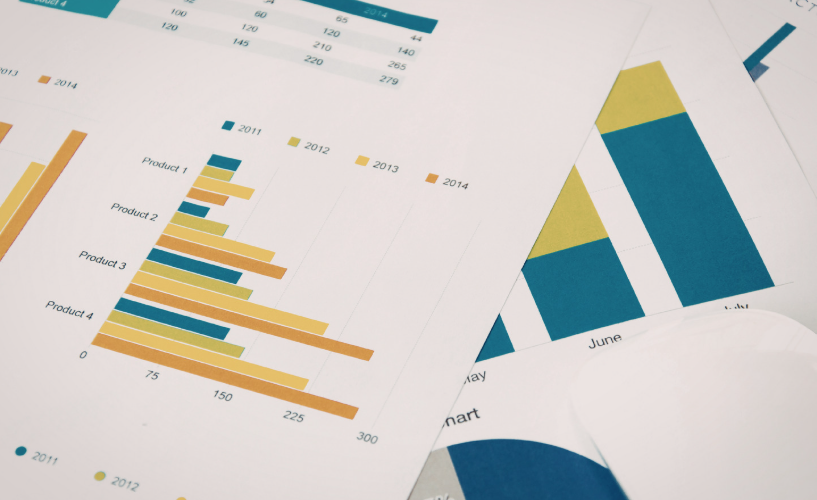
Comparison charts are especially helpful when you need to visualize multiple commodities in one view. For example, you can compare gold, silver, and copper over the same period. You can also compare crude oil with natural gas or wheat with corn. These comparisons show whether related markets are moving together or apart.
Percentage-based charts are often better than price-only charts for comparison. Gold and oil trade at very different price levels, so placing them on the same chart can be confusing. A percentage view shows relative movement more clearly.
Moving averages can help smooth price action. They show whether a commodity is trending higher, lower, or sideways. However, too many indicators can clutter the chart. For most users, a few clear tools are better than a screen full of lines.
The best commodity charts answer simple questions. What is moving? How strong is the move? Is the trend changing? Is this market leading or lagging others? When a chart answers those questions quickly, it becomes valuable.
Heat Maps and Watchlists for Faster Scanning
Heat maps can be useful because they show many markets at once. Instead of reading each price line by line, users can see which areas are strong or weak. This works well for commodities because sector movement matters.
A commodity heat map may show energy, metals, grains, and soft commodities in separate groups. If the energy group is mostly rising, the user can quickly see broad strength. If metals are mixed, the user may look deeper to see whether gold or copper is leading. This saves time and reduces confusion.
Watchlists are simpler than heat maps, but they are just as important. A good watchlist allows users to place important commodities in a clear order. It may include the latest price, daily change, percentage move, and alert status. Some platforms also allow custom columns for volume, contract month, or trend direction.
When you visualize multiple commodities through watchlists, grouping matters. A mixed list of oil, coffee, gold, cattle, copper, and wheat can feel messy. A grouped list makes the same data easier to read. Energy should sit with energy. Metals should sit with metals. Crops should sit with crops.
Watchlists should not be too long. A large list may look complete, but it can slow down decision-making. Start with the markets tied to your goals. Then, add related markets only when they help your analysis.
Heat maps and watchlists work best together. The heat map gives a broad view. The watchlist gives specific detail. Together, they help users move from quick scanning to deeper study.
Alerts That Support Better Decisions
Alerts are a key part of smart commodity tracking. Users cannot watch every market all day, especially when several commodities move at once. A good alert system helps identify important changes without constant screen checking.
Price alerts are the most basic type. They notify users when a commodity reaches a set level. This can help traders watch breakouts or support zones. Investors may use price alerts to track long-term entry points or risk levels.
Percentage move alerts can also help. A sudden 3% move in natural gas or wheat may matter more than a small price change in gold. These alerts help users notice unusual activity across different markets.
Event alerts can be useful too. Commodity markets often react to reports, storage data, weather updates, central bank decisions, and economic releases. A reminder before major reports can help users prepare instead of reacting late.
When you visualize multiple commodities, alerts should connect back to charts and dashboards. If an alert fires, the platform should make it easy to open the related chart, compare similar markets, and review context. This creates a smoother workflow.
However, too many alerts can create stress. If every small move triggers a notification, users may start ignoring them. The best alerts are selective. They focus on levels, changes, or events that truly matter to the user’s plan.
A strong alert system helps protect attention. It allows users to step away while still staying aware of major market shifts.
Market Context Makes Visuals More Useful
Charts and dashboards show movement, but context explains why the movement may matter. Without context, a price change can be easy to misread. A jump in oil may come from supply news, currency movement, or a temporary headline. A rise in wheat may come from weather, export demand, or crop concerns.
Smart tools should combine visuals with relevant context. This may include market news, economic calendars, weather updates, inventory reports, and analyst notes. The goal is not to flood the user with information. Instead, the tool should connect the most useful context to the market being reviewed.
For example, if natural gas rises sharply, a weather panel or storage update may help explain the move. If gold climbs, a dollar chart or rate update may add insight. If copper weakens, industrial demand news may be relevant.
When users visualize multiple commodities with context, they can avoid reacting to price moves alone. This matters because not every move is meaningful. Some moves are short-term noise. Others may signal a larger trend.
Context also helps beginners learn faster. Instead of seeing random price changes, they begin to understand the drivers behind each commodity group. Over time, this improves market awareness.
The best tools make context easy to access. Users should not have to search five different sites to understand one price move. A smart platform brings the right clues closer to the chart.
Choosing the Right Smart Tools
The best tool depends on the user’s needs. Traders may want fast charts, technical tools, and real-time alerts. Investors may prefer broader dashboards, watchlists, and long-term trend views. Business teams may need price history, exportable reports, and cost tracking.
Before choosing a platform, check the commodity coverage. A good tool should include the markets you actually follow. This may include energy, precious metals, industrial metals, grains, soft commodities, and livestock. If the platform misses key markets, you may still need extra tools.
Next, review chart quality. Charts should load quickly, offer useful timeframes, and allow comparisons. A tool that cannot compare markets clearly may not be enough for serious commodity analysis.
Also check the data labels. Commodity prices can vary by contract, region, source, and delivery period. Clear labels help users avoid comparing the wrong data. This is especially important for futures markets.
Ease of use matters. A powerful platform is not helpful if it takes too long to set up. The tool should make it simple to build watchlists, save dashboards, set alerts, and review charts.
Cost is another factor. Some tools are free or low-cost, while others are built for professional teams. A beginner may not need an enterprise platform. A company managing commodity risk may need deeper data and support.
The right tool should match the job. It should help users visualize multiple commodities clearly, not impress them with features they never use.
Building a Clean Commodity Visualization Workflow
A good workflow begins with a clear goal. Are you tracking inflation signals, trading futures, watching business costs, or reviewing long-term trends? Your goal decides what belongs on your dashboard.
Start with a core watchlist. Include only the commodities that matter most. For example, an inflation-focused list may include oil, natural gas, gold, copper, wheat, corn, and soybeans. A metals-focused list may include gold, silver, copper, aluminum, nickel, and platinum.
Next, create one main dashboard for daily checks. This dashboard should show grouped watchlists, a main chart, and key alerts. Keep it clean. A simple setup that you use every day is better than a complex one you avoid.
Use comparison charts for weekly review. Compare energy against metals, agriculture against soft commodities, or gold against the dollar. These comparisons can reveal broader trends that daily price checks may miss.
Set alerts for meaningful levels. Do not set alerts for every small move. Focus on price zones, trend changes, or large percentage moves. This keeps the system useful and calm.
Add context only where it helps. News, weather, and reports should support your analysis, not distract from it. If a panel does not help your decisions, remove it.
When you visualize multiple commodities with a clean workflow, the process becomes easier to repeat. Repetition builds better market awareness over time.
Mistakes to Avoid With Commodity Visualization
One mistake is adding too much data too soon. Many users build dashboards with every commodity, indicator, and news feed they can find. This may look impressive, but it often slows analysis. Start simple, then add more only when needed.
Another mistake is ignoring timeframes. A short-term chart may make a normal move look dramatic. A long-term chart may hide a fast change that matters to traders. Match the timeframe to the decision.
Some users also compare prices incorrectly. A futures contract for one month may not match another contract month. Spot prices and futures prices can differ. Regional prices can also vary. Clear data labels are important.
Overusing alerts can also hurt the process. Too many notifications make users anxious and less focused. A few useful alerts are better than dozens of weak ones.
Another mistake is relying only on visuals without context. A chart can show what happened, but it may not explain why. Good analysis uses both price action and market drivers.
Finally, avoid changing tools too often. A new platform may feel exciting, but constant switching prevents routine. Choose a tool that fits your workflow, then refine your setup over time.
Conclusion
Smart tools can help users visualize multiple commodities with more clarity, speed, and confidence. Commodity markets are complex because energy, metals, agriculture, livestock, and soft commodities all move for different reasons. Without a clear system, price tracking can become scattered and stressful.
Dashboards, charts, heat maps, watchlists, alerts, and context panels can turn raw data into a more useful market view. They help users compare sectors, spot important moves, and understand whether a price change is isolated or part of a larger trend.
The best setup is not always the most complex one. A clean dashboard, focused watchlists, simple comparison charts, and useful alerts can often do more than a crowded screen full of data. The goal is to see the market clearly, not to track everything at once.
Whether you are a trader, investor, analyst, or business owner, the right tools can make commodity tracking easier. When you visualize multiple commodities with a clear workflow, you can reduce noise, save time, and make better-informed decisions.
FAQ
1. What Is the Best Way to View Several Commodity Markets at Once?
The best way is to use a dashboard with grouped watchlists, comparison charts, alerts, and sector views. This keeps key markets easy to scan.
2. Why Are Comparison Charts Helpful for Commodity Tracking?
Comparison charts show whether markets are moving together or separately. This can help users understand broader trends across energy, metals, and agriculture.
3. Should Beginners Use Heat Maps?
Yes, heat maps can help beginners see which commodity groups are strong or weak. However, they should still review charts and context before making decisions.
4. How Many Commodities Should I Track on One Dashboard?
Start with the markets tied to your goals. A smaller, focused dashboard is usually better than a long list that creates confusion.
5. What Makes a Commodity Visualization Tool Useful?
A useful tool offers clear charts, reliable data, grouped watchlists, meaningful alerts, and market context. It should make analysis easier, not harder.