

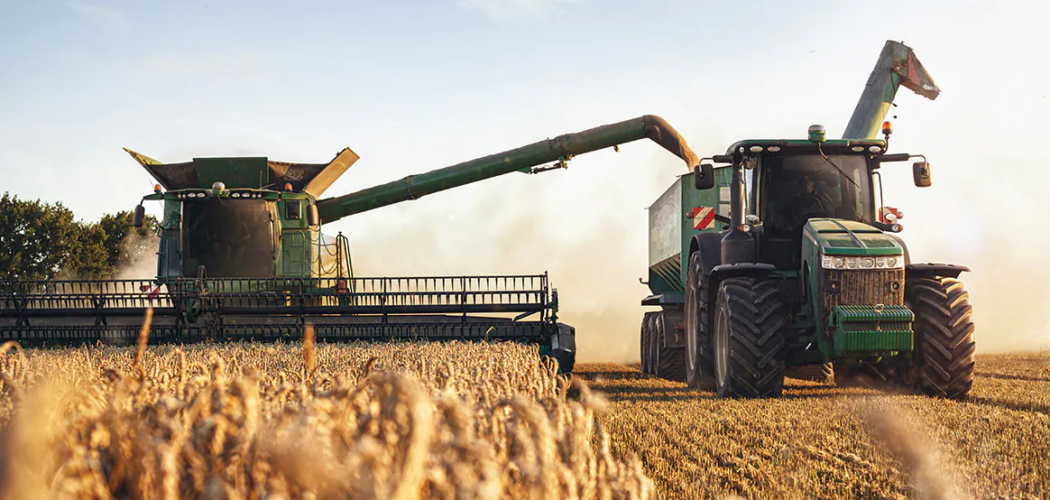
Agriculture has always been at the heart of global economies. This agriculture commodities trading guide will help you understand how food, crops, and raw materials become tradable assets. While many investors focus on stocks or crypto, agricultural markets offer unique opportunities that are often overlooked.
At first, the idea of trading crops like wheat or corn may seem unusual. However, these markets are highly active and deeply connected to everyday life. Prices move based on supply, demand, weather, and global consumption patterns. Because of this, agriculture commodities trading attracts traders who want exposure to real-world economic activity.
In addition, agricultural commodities play a crucial role in global stability. Food demand continues to grow as populations increase. Therefore, these markets remain relevant regardless of economic cycles. With the right knowledge, traders can use agriculture commodities trading to diversify and strengthen their portfolios.
Understanding What Agricultural Commodities Are
Agricultural commodities include products that are grown or raised for consumption. These typically fall into categories like grains, soft commodities, and livestock. Examples include wheat, corn, soybeans, coffee, sugar, and cattle.
Unlike manufactured goods, these commodities depend heavily on natural conditions. Weather patterns, soil quality, and seasonal cycles all influence production. As a result, price movements can be unpredictable.
In agriculture commodities trading, these goods are bought and sold through futures contracts. Traders agree to purchase or sell a specific quantity at a set price on a future date. This system helps farmers lock in prices while allowing traders to speculate on market changes.
Because these contracts are standardized, they can be traded easily on major exchanges. This accessibility makes agriculture commodities trading appealing to both beginners and experienced investors.
Another important aspect is perishability. Many agricultural products have limited shelf lives. Therefore, storage and transportation costs can affect pricing. Understanding these factors is essential for making informed decisions.
Why Traders Are Drawn to Agricultural Markets
There are several reasons why agriculture markets continue to attract attention. First, they offer diversification. Agricultural commodities often move differently from stocks and bonds. As a result, they can help balance a portfolio.
Second, demand for food is constant. People need to eat regardless of economic conditions. Because of this, agriculture commodities trading provides exposure to a stable and essential sector.
Additionally, price volatility creates opportunities. Weather events, supply disruptions, and policy changes can lead to sharp movements. While this increases risk, it also opens the door for potential profits.
Another advantage is global relevance. Agricultural markets are influenced by international trade and consumption. Therefore, traders who follow global trends can gain valuable insights.
Liquidity also plays a role. Major agricultural commodities are actively traded, making it easier to enter and exit positions. This flexibility is especially useful for short-term traders.
How to Start in Agriculture Commodities Trading
Starting your journey requires preparation and a clear plan. First, you need a trading account that supports commodity futures. Many brokers provide access to agricultural markets.
Next, take time to learn the basics. Study how prices move and what factors influence them. This knowledge forms the foundation of successful agriculture commodities trading.
After that, choose a trading approach. Some traders focus on technical analysis, using charts and indicators. Others rely on fundamental analysis, examining supply and demand data. Combining both methods often leads to better decisions.
Risk management is essential. Always define how much you are willing to lose on each trade. Using stop-loss orders can help protect your capital.
It is also wise to start small. Practice with a demo account if possible. This allows you to gain experience without financial risk. Over time, you can build confidence and refine your strategy.
What Moves Agricultural Commodity Prices
Understanding price drivers is key to success. Several factors influence agriculture commodities trading, and each one can shift the market quickly.
Weather is one of the most important elements. Droughts, floods, and storms can reduce crop yields. As a result, prices often rise when supply is threatened.
Seasonality also plays a major role. Planting and harvest cycles create predictable patterns. However, unexpected events can disrupt these trends.
Supply and demand dynamics are equally critical. When production exceeds demand, prices tend to fall. Conversely, shortages can push prices higher.
Government policies and subsidies can impact markets as well. Trade restrictions or export bans may affect global supply chains. Therefore, staying informed about policy changes is essential.
Currency fluctuations also influence pricing. Since commodities are often priced in US dollars, a weaker dollar can lead to higher prices. This connection adds another layer of complexity to agriculture commodities trading.
Popular Strategies for Trading Agricultural Commodities
Different traders use different strategies depending on their goals. One common approach is trend following. Traders identify the direction of the market and align their trades accordingly.
Another strategy is spread trading. This involves taking positions in related commodities or contracts. For example, traders may compare different harvest periods.
Some traders focus on seasonal patterns. Since agricultural markets follow planting and harvesting cycles, historical trends can provide insights.
News-based trading is also popular. Reports on crop conditions, weather forecasts, and global demand can trigger price movements. Quick reactions can lead to profitable trades.
Regardless of the strategy, discipline is crucial. A structured approach to agriculture commodities trading helps reduce emotional decisions and improve consistency.
Risks You Should Not Ignore
While opportunities exist, risks are always present. One of the biggest challenges in agriculture commodities trading is unpredictability. Weather events and global changes can shift prices suddenly.
Leverage adds another layer of risk. Futures contracts allow traders to control large positions with small capital. However, this can amplify losses.
Market volatility can also lead to rapid price swings. Without proper risk management, losses can accumulate quickly.
Another risk is lack of knowledge. Entering the market without understanding its dynamics can result in poor decisions. Continuous learning is essential for long-term success.
Emotional trading is a common mistake. Fear and greed often lead to impulsive actions. By following a plan, you can avoid these pitfalls.
Building a Long-Term Trading Mindset
Success in trading requires patience and discipline. A strong foundation in agriculture commodities trading helps you navigate challenges more effectively.
Start by setting realistic expectations. Focus on steady progress rather than quick profits. This approach reduces pressure and improves decision-making.
Tracking your trades is also important. By reviewing your performance, you can identify strengths and weaknesses. Over time, this leads to better strategies.
Education should never stop. Markets evolve, and staying informed gives you an edge. Reading reports, analyzing trends, and learning from experience all contribute to growth.
Maintaining balance is key as well. Avoid overtrading and take breaks when needed. A clear mind leads to better decisions.
Conclusion
Agricultural markets offer a unique blend of stability and opportunity. With the right approach, agriculture commodities trading can become a valuable part of your investment strategy. It connects you to essential global industries while providing diverse trading opportunities.
Although the market can be unpredictable, understanding key factors and managing risk can make a significant difference. By staying informed and disciplined, you can build a sustainable approach over time.
Ultimately, success comes from consistency and learning. Stay patient, refine your strategy, and focus on long-term growth. When done correctly, agriculture commodities trading can open the door to both financial opportunity and deeper market understanding.
FAQ
1. What are examples of agricultural commodities?
Common examples include wheat, corn, soybeans, coffee, sugar, and livestock products.
2. Is trading farm products suitable for beginners?
Yes, beginners can start with proper education and risk management strategies.
3. What factors affect crop prices the most?
Weather, supply levels, demand trends, and government policies have the biggest impact.
4. Can I trade agricultural products without owning them physically?
Yes, futures contracts allow you to speculate without handling physical goods.
5. How risky is this type of trading?
It can be volatile, so proper risk management and planning are essential.