
Multi commodity tracking platforms are useful for anyone who needs to follow oil, gold, natural gas, copper, silver, crops, soft commodities, and futures markets without jumping between too many tools. Commodity prices can move quickly because of weather, supply news, inflation data, currency shifts, storage reports, and global events. Because of that, a clear analytics platform can help users turn scattered market data into a more organized view.
The challenge is not only finding prices. Most people can find a gold quote or oil chart in seconds. The harder task is comparing several commodities at once and understanding what those moves mean. For example, gold may rise while copper falls, or oil may climb while grain prices stay flat. These mixed signals can reveal useful market clues, but they are easy to miss without the right setup.
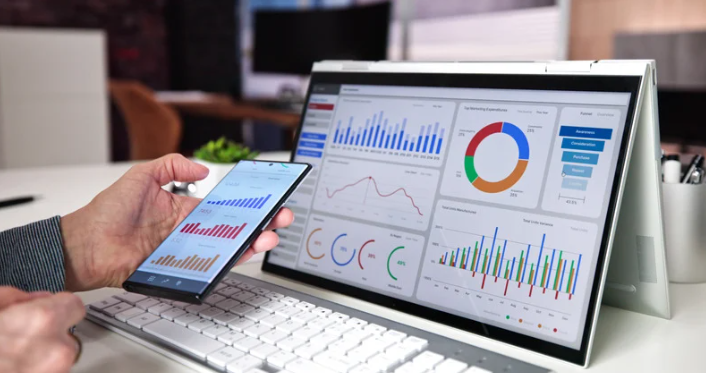
Strong analytics tools bring price data, charts, watchlists, alerts, news, and market context into one place. This can help traders react faster, investors monitor longer trends, and business owners watch input costs. However, the best tool depends on your goal. A short-term trader may need advanced charts and alerts, while a long-term investor may prefer simple watchlists and broad market coverage.
The right platform should reduce confusion. If it adds too many charts, pop-ups, and signals, it may create more stress. Therefore, the best choice is often the tool that helps you focus on the few markets and signals that matter most.
Why Analytics Matter in Commodity Markets
Commodity markets are driven by real-world supply and demand. Weather can affect wheat, corn, coffee, and cocoa. Production choices can affect oil and gas. Industrial growth can affect copper, aluminum, and nickel. Meanwhile, gold and silver may respond to currency moves, interest rates, and market fear.
Because these drivers differ, commodity tracking requires more than a simple price board. You need context. A move in crude oil may matter more if natural gas, gasoline, and energy stocks are moving in the same direction. A rise in copper may carry more weight if other industrial metals also strengthen. This is where multi commodity tracking platforms become valuable.
A good platform helps users compare markets across different groups. Energy, metals, agriculture, livestock, and soft commodities can all be placed into watchlists. Then, users can scan winners, losers, trends, and alerts in a faster way. This makes the process less scattered.
Analytics also help reduce emotional decisions. When prices move sharply, it is easy to react too quickly. However, a clean dashboard can show whether a move is broad, isolated, or tied to a known report. That extra context can slow down poor decisions and support better judgment.
Long-term investors may use these tools differently from active traders. Instead of watching every tick, they may review weekly trends, inflation clues, or broad commodity cycles. Still, the same idea applies. Better information can lead to calmer choices.
TradingView for Flexible Charts
TradingView is one of the most popular platforms for chart-focused users. It offers charts, watchlists, alerts, and access to many markets. Its futures section shows contracts across agriculture, energy, metals, currencies, indexes, and interest rates, which can help commodity users compare several areas from one place.
For traders who care about technical levels, TradingView can be a strong choice. Users can view price action across different timeframes, add indicators, draw support and resistance zones, and set alerts. This can help when tracking gold, crude oil, copper, natural gas, corn, wheat, or other futures-linked markets.
Multi commodity tracking platforms should make chart comparison easy. TradingView is useful here because it lets users create watchlists and group markets in a way that fits their process. Its Google Play listing says users can track global indices, stocks, currency pairs, bonds, futures, mutual funds, commodities, and cryptocurrencies in real time, with watchlists and alerts.
The platform may be more detailed than some beginners need. If you only want a simple daily price check, it can feel like too much at first. However, for users who want deeper charts and clean visual tools, it can be one of the strongest options.
A smart setup might include separate watchlists for energy, metals, and agriculture. This makes it easier to see whether a price move is limited to one commodity or part of a wider trend.
Investing.com for Broad Market Coverage
Investing.com is helpful for users who want broad market data, commodity prices, news, and alerts in one place. Its commodity futures page lists real-time streaming prices for major commodities, including gold, crude oil, silver, copper, natural gas, wheat, corn, soybeans, coffee, sugar, cocoa, and livestock markets.
This broad coverage can help investors who do not want to use several different sites. A user can check energy, metals, agriculture, and soft commodities from one platform. That makes daily scanning much easier.
Multi commodity tracking platforms also need market context. Investing.com can support this because it includes broader finance data, not only commodity quotes. Its app listing says users can track real-time market data, news, shares, and alerts while following global financial markets.
This matters because commodities often react to wider events. Gold may move after inflation data. Oil may react to currency shifts or economic outlook changes. Agricultural markets may respond to reports, weather, or trade news. A platform with prices and news together can help explain the move.
Investing.com may be especially useful for beginners and general market watchers. It is not only a charting platform. It can also work as a broad market dashboard. However, users should keep watchlists focused. Too much information can become distracting if every market appears important.
For a clean workflow, place your key commodities at the top. Then, add related markets such as the U.S. dollar, major stock indexes, and bond yields if they help your analysis.
Barchart for Futures Detail
Barchart is a strong option for users who want more futures-focused commodity detail. Its futures section provides commodity quotes, free futures charts, market commentary, and price movement tools.
For people who follow contract-based markets, this can be very useful. Many commodities trade through futures contracts, so it helps to understand contract months, price leaders, volume, and daily changes. Barchart also offers major commodity futures quotes and charts, which can support deeper market review.
Multi commodity tracking platforms should help users move beyond basic price checks. Barchart can be useful because it focuses on market data, screeners, charts, and analysis. Its main site describes Barchart as a provider of real-time stock and commodities data with screeners, customizable charts, and analysis tools.
This type of platform may suit active traders, analysts, and users who want more futures market structure. It can help users spot top gainers, sharp price moves, and contract-level changes. These details may be more than casual investors need, but they can be valuable for serious commodity tracking.
Beginners should take time to learn how futures work before relying too much on contract data. A nearby oil contract may move differently from a later contract. Crop futures can also vary by delivery month. Understanding these differences can prevent confusion.
A good use case for Barchart is weekly review. You can scan major movers, check futures charts, and compare performance across sectors. This can help you see which commodity group is driving the broader market story.
CME Group for Exchange-Based Futures Insight
CME Group is useful for people who want to follow futures and options markets from the source. CME Group describes itself as a major derivatives marketplace offering a wide range of futures and options products for risk management.
Its mobile tools may help users who follow futures closely. CME Group says its app lets users track key futures and options through watchlists synced across devices, while also keeping tabs on block trades and simulated trading tools.
For commodity users, this can be helpful because many major energy, metals, and agricultural contracts trade through exchange-based markets. The app can support users who want product-level insight rather than only general quotes.
Multi commodity tracking platforms do not all serve the same type of user. CME Group may not be the easiest starting point for someone who only wants simple price tracking. However, it can be valuable for futures market watchers who want a more direct view of contracts, tools, and market structure.
A platform like this can work well with a broader dashboard. For example, a user might use TradingView for charts, Investing.com for news, Barchart for futures scans, and CME Group for exchange-level product insight. The key is to give each tool a clear role.
Too many tools can create clutter, though. If you use more than one platform, avoid repeating the same task in each one. One app should handle charts. Another may handle news. A third may support deeper futures detail.
How to Compare Analytics Platforms
The best platform depends on what you need to track. If you focus on technical charts, TradingView may be the better fit. If you want broad prices and news, Investing.com may feel easier. If you need futures detail, Barchart or CME Group may support deeper analysis.
Start by checking market coverage. A useful platform should include the commodities that matter to your work. This may include crude oil, Brent oil, natural gas, gasoline, heating oil, gold, silver, copper, corn, wheat, soybeans, coffee, cocoa, sugar, cotton, cattle, and hogs.
Next, review chart quality. You should be able to change timeframes, compare markets, and see clear price movement. You do not need every advanced indicator, but the charts should be easy to read.
Alerts are also important. Multi commodity tracking platforms should let you set alerts for key levels, large moves, or watchlist changes. Alerts can reduce the need to check prices all day. However, they should be used carefully. Too many alerts can create stress.
News and calendars can add value. Commodity prices often move because of reports, weather, policy, supply data, and economic news. A platform that connects price movement with context can help users understand why a market is moving.
Ease of use should guide your final choice. A tool may have many features, but that does not make it better. If it takes too long to build watchlists or find charts, you may not use it well. The best platform should feel clear during real market conditions.
Building a Simple Tracking Workflow
A strong workflow begins with a focused watchlist. Do not add every commodity just because the platform allows it. Start with the markets that matter most to your goals. Then, group them by sector.
Energy may include crude oil, Brent oil, natural gas, gasoline, and heating oil. Metals may include gold, silver, copper, platinum, and aluminum. Agriculture may include corn, wheat, soybeans, coffee, cocoa, sugar, and cotton. Livestock can include cattle and hogs.
Once your lists are built, decide how often you need updates. Active traders may review markets several times per day. Long-term investors may only need daily or weekly checks. Business owners may watch key input prices on a set schedule.
Multi commodity tracking platforms work best when they support your routine instead of controlling it. Set alerts only for prices or changes that matter. For example, you may want alerts when gold reaches a key level, oil breaks a range, or wheat moves sharply after a report.
A short note-taking habit can also help. Write down why a commodity moved and whether it matters to your plan. Over time, these notes can improve your market understanding. They can also stop you from reacting to every headline.
Keep your setup clean. A simple dashboard that you use daily is better than a complex system you avoid. The goal is not to watch everything. The goal is to understand the right things faster.
Conclusion
Multi commodity tracking platforms can make market analysis easier by bringing prices, charts, alerts, news, and futures detail into one clearer system. Instead of switching between many websites, users can monitor energy, metals, agriculture, livestock, and soft commodities with better structure.
TradingView works well for charts and technical alerts. Investing.com offers broad market coverage, live commodity prices, and news. Barchart can support deeper futures analysis, while CME Group may help users who want exchange-based futures and options insight. Each platform has a different strength, so the best choice depends on your goals.
The most effective setup is usually simple. Choose one main platform, build focused watchlists, set useful alerts, and add another tool only when it solves a real problem. This keeps your process clean and reduces market noise.
Commodity markets can move quickly, but your tracking system does not need to feel chaotic. With the right tools and routine, multi commodity tracking platforms can help you compare trends, spot important moves, and make better decisions with less stress.
FAQ
1. What Should I Look For in a Commodity Analytics Tool?
Look for broad market coverage, clear charts, useful alerts, reliable data, and simple watchlists. The tool should make tracking easier, not more confusing.
2. Which Platform Is Best for Commodity Charts?
TradingView is strong for charting because it offers flexible charts, watchlists, and alerts across many markets, including futures and commodities.
3. Can One Tool Track Energy, Metals, and Agriculture?
Yes, many platforms can track these groups together. Investing.com, TradingView, and Barchart all provide access to several commodity markets.
4. Are Futures-Focused Platforms Good for Beginners?
They can be useful, but beginners should learn how futures contracts work first. Contract months and price differences can be confusing at first.
5. How Can I Avoid Too Much Market Noise?
Use focused watchlists, limit alerts, and check markets at planned times. A simple routine can make commodity tracking much easier.