

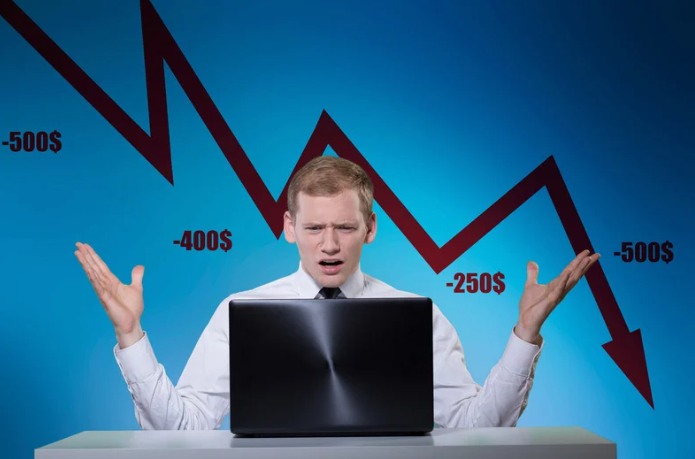
Fear of losing money can affect your investment decisions more than most people realize. Even careful investors can feel nervous when markets fall, headlines sound alarming, or account balances drop. This fear is natural because money is tied to security, future plans, family needs, and personal freedom. However, when fear takes control, it can lead to choices that feel safe in the moment but hurt long-term results.
Investing always involves some level of risk. Prices rise and fall, markets react to news, and no strategy works perfectly all the time. Still, many investors struggle most when losses become visible. A falling portfolio can feel personal, even when the market move is normal. Because of that, people may sell too early, avoid good opportunities, or hold too much cash for too long.
The problem is not fear itself. In fact, fear can be useful when it reminds you to avoid reckless choices. The real problem starts when fear becomes the main driver of your decisions. Instead of following a plan, you may react to emotion, news, or short-term price moves. Over time, that can create a cycle of stress, regret, and poor timing.
A better approach starts with awareness. When you understand how fear works, you can respond with more control. You can build a plan, set rules, and make decisions based on goals rather than panic. As a result, investing can feel less like a daily emotional test and more like a steady process.
Why Losses Feel So Powerful
Fear of losing money feels strong because losses often hurt more than gains feel good. If your portfolio rises by a certain amount, you may feel pleased. However, if it falls by the same amount, the pain can feel much stronger. This emotional gap can make investors overreact when markets decline.
Money also carries meaning beyond numbers. A loss may make you worry about retirement, bills, family goals, or missed chances. Even a temporary drop can create stress because it feels like progress has been taken away. Therefore, investment losses can trigger fear even when the long-term plan is still on track.
Another reason losses feel powerful is control. Markets move for reasons you cannot fully manage. Interest rates, inflation, company news, global events, and investor mood can all affect prices. Since you cannot control these forces, a falling market can make you feel helpless.
Short-term visibility makes the fear worse. Modern apps allow investors to check account values in seconds. While this access can be useful, it can also turn normal market movement into daily stress. If you check too often, every small dip may feel like a warning sign.
Because of this, investors may confuse temporary movement with permanent damage. A stock, fund, or portfolio can fall without ruining a long-term strategy. Yet fear can make the drop feel final. This is why many people sell at the worst possible time.
The key is learning to separate market movement from real financial danger. A planned decline within your risk range is different from a broken strategy. Once you understand that difference, you can make calmer choices.
How Fear Changes Your Decisions
Fear of losing money often leads to rushed action. When prices fall, some investors sell because they want the pain to stop. That reaction may bring short-term relief, but it can lock in losses. If the market later recovers, the investor may miss the rebound.
Fear can also keep people from investing at all. Some wait for the “perfect time” to enter the market. However, that perfect time rarely feels obvious. When prices are high, they fear a crash. When prices are low, they fear more losses. As a result, cash sits idle while long-term opportunities pass.
Another common effect is constant second-guessing. An investor may buy a fund, then check it daily and question every move. This can lead to overtrading, which often adds stress and costs. It also shifts attention away from long-term goals.
Fear may also push investors toward choices that seem safe but carry hidden risks. For example, holding too much cash can protect against market drops, but it may lose buying power over time. Avoiding all risk can become risky in a different way, especially when inflation rises.
Some investors become too focused on avoiding losses rather than building wealth. They may choose only the safest options, even if those options do not match their goals. While caution has value, too much caution can limit growth.
Fear can also cause investors to follow the crowd. During market drops, many people look for comfort in what others are doing. If everyone seems worried, selling can feel logical. However, crowd behavior often grows strongest near emotional extremes.
The Role of News and Market Noise
News can make fear of losing money worse because headlines are designed to grab attention. Words like crash, plunge, warning, and crisis can make market moves feel more dangerous than they are. Even when the facts are not new, the tone can create stress.
Investors need information, but too much news can create noise. If you read every market update, you may feel that action is always needed. In reality, most long-term investors do not need to change their plan because of every headline.
Market commentary can also be confusing. One expert may say a recession is coming, while another may say stocks are ready to rise. Both can sound convincing. As a result, investors may feel pulled in different directions.
Social media can add even more pressure. Fast opinions, dramatic posts, and bold predictions can make normal market moves seem urgent. Since many posts lack context, they can trigger emotional decisions.
A calmer approach is to set limits. Choose a few trusted sources, check them at planned times, and avoid reacting to every alert. This helps you stay informed without letting news control your mood.
It also helps to ask one simple question before acting: does this news change my long-term plan? If the answer is no, you may not need to do anything. Often, the best decision is to stay steady.
Why Selling Feels Safe but Can Hurt
Selling during a market drop can feel safe because it stops the visible loss. Once you move to cash, your account may stop falling with the market. That can bring relief. However, the relief may come with a cost.
When you sell after prices fall, you turn a paper loss into a real loss. You also create a second hard decision: when to get back in. Many investors wait too long because they want proof that the market is safe again. By the time they feel comfortable, prices may already be higher.
This pattern can lead to buying high and selling low. It is one of the most common ways fear damages investment results. The investor is not careless. They are simply trying to avoid pain. Still, the result can be harmful.
Fear of losing money can also make investors focus only on what could go wrong. They may ignore the chance that markets can recover. While recovery is never guaranteed, long-term investing depends on staying invested through both good and bad periods.
A better plan is to decide in advance when selling makes sense. You may sell because your goals changed, your risk level changed, or an investment no longer fits your plan. Selling only because the market feels scary is usually weaker reasoning.
This does not mean you should never reduce risk. Sometimes a portfolio truly is too risky. However, those changes should come from planning, not panic. A planned adjustment feels different from an emotional exit.
How Avoiding Risk Can Become Risky
Many people think risk means losing money in the market. That is one type of risk, but it is not the only one. There is also the risk of not growing your money enough to meet future needs. There is the risk of inflation. There is the risk of missing long-term gains because fear kept you on the sidelines.
Fear of losing money can make cash feel like the safest choice. Cash is useful for emergency funds, short-term goals, and peace of mind. However, too much cash can create problems over time. If prices rise and your money earns very little, your buying power may shrink.
The same issue can happen with very conservative investments. They may feel safe, but they may not provide enough growth for long-term goals. This matters for retirement planning, education savings, and wealth building.
Risk should be managed, not avoided completely. A strong plan usually includes a mix of assets, a clear time horizon, and an amount of risk you can handle. This balance helps you stay invested without feeling overwhelmed.
Investors should also remember that risk changes with time. Money needed soon should usually be handled with more care. Money meant for long-term goals may have more room to ride through market ups and downs.
Once you view risk this way, investing becomes more practical. The goal is not to remove all fear. Instead, the goal is to match your choices with your needs.
Ways to Make Calmer Investment Choices
The first step is to write down your investment plan. A simple plan should include your goals, time frame, risk level, and reasons for each investment. When markets fall, this plan can remind you why you invested in the first place.
Next, set rules before emotions rise. For example, decide how often you will check your account. Some investors do better with monthly reviews instead of daily checks. Fewer checks can reduce stress and prevent overreaction.
Diversification can also help. When your money is spread across different assets, one drop may feel less damaging. A balanced portfolio will still move, but it may be easier to hold during rough periods.
Automatic investing can reduce fear-based timing mistakes. By investing on a regular schedule, you avoid trying to guess the best day to buy. This can build discipline and make investing feel more routine.
It also helps to keep an emergency fund separate from investments. When you know your short-term needs are covered, market drops may feel less threatening. You are less likely to sell long-term investments to solve short-term stress.
Another useful habit is naming the emotion before acting. If you feel panic, say so. If you feel regret, notice it. This small pause can create space between the feeling and the decision.
Before making a major move, wait if possible. A short cooling-off period can prevent rushed choices. During that time, review your plan, check your reasons, and consider whether the action supports your goals.
Building Confidence Through Better Habits
Confidence grows when you understand what you own and why you own it. If your portfolio feels random, every market dip can feel scary. However, if each investment has a clear role, you may feel more in control.
Education helps, but it should stay practical. You do not need to predict every market move. Instead, learn basic ideas such as diversification, time horizon, risk tolerance, and compounding. These ideas can make investing less intimidating.
Reviewing past market cycles can also help. Markets have gone through many declines before. Some were short, while others were painful and long. Still, history can show that downturns are part of investing, not rare events.
Fear of losing money becomes easier to manage when you expect some losses along the way. A portfolio that never drops is not realistic for most growth-focused investors. Once you accept normal ups and downs, they may feel less shocking.
Talking with a qualified financial professional may also help if fear is leading to repeated mistakes. A good adviser can help you build a plan, set risk levels, and avoid emotional decisions. This can be especially useful during major life changes.
Most importantly, give yourself room to be human. Feeling afraid does not mean you are bad with money. It means you care about your future. The goal is to let that care guide planning instead of panic.
Conclusion
Fear of losing money is one of the strongest emotions in investing. It can push people to sell too early, wait too long, avoid risk, or follow the crowd. These reactions are common, but they can weaken long-term results when they replace a clear plan.
A better path starts with understanding how fear works. Losses feel painful because money is tied to security and future goals. Market noise, daily account checks, and dramatic headlines can make that fear even stronger. However, you can reduce its power with better habits.
Build a written plan, use a balanced portfolio, set review times, and keep short-term money separate from long-term investments. Also, pause before acting during stressful markets. These simple steps can help you make choices based on goals rather than fear.
Investing will never feel completely risk-free. Still, it can feel more manageable when you know your plan and trust your process. By learning to handle fear of losing money, you can make steadier decisions and give your long-term strategy a better chance to work.
FAQ
1. Why Do Investment Losses Feel Worse Than Gains Feel Good?
Losses often feel stronger because money is tied to safety, goals, and personal security. This can make a market drop feel more painful than an equal gain feels rewarding.
2. How Can I Stop Panicking When My Portfolio Drops?
Review your plan before making changes. Then check whether your goals, time frame, or risk level have truly changed. If they have not, you may not need to act.
3. Is It Bad to Hold Cash When Markets Feel Risky?
Cash can be useful for emergencies and short-term needs. However, holding too much cash for too long may reduce growth and weaken buying power.
4. How Often Should I Check My Investments?
Many long-term investors do better with set review times, such as monthly or quarterly. Checking too often can make normal market moves feel stressful.
5. What Helps Investors Make Better Decisions During Market Drops?
A written plan, broad diversification, automatic investing, and a calm review process can help. These habits reduce the chance of making rushed choices.