
Real time commodity platforms have become essential for anyone who follows fast-moving markets across metals, energy, agriculture, and raw materials. Commodity prices can shift within minutes because of supply changes, weather events, currency movement, geopolitical tension, storage data, and demand forecasts. As a result, traders and analysts need more than delayed quotes or scattered news updates. They need a connected view that helps them understand what is happening now, why prices are moving, and how different commodities may react next.
In the past, many people tracked commodities through separate websites, exchange pages, news feeds, and spreadsheets. That approach worked when markets moved more slowly, but it can feel limited today. Gold, crude oil, natural gas, copper, wheat, coffee, and other commodities often respond to global headlines at the same time. Therefore, switching between too many tabs can lead to missed signals, slower decisions, and unclear comparisons.
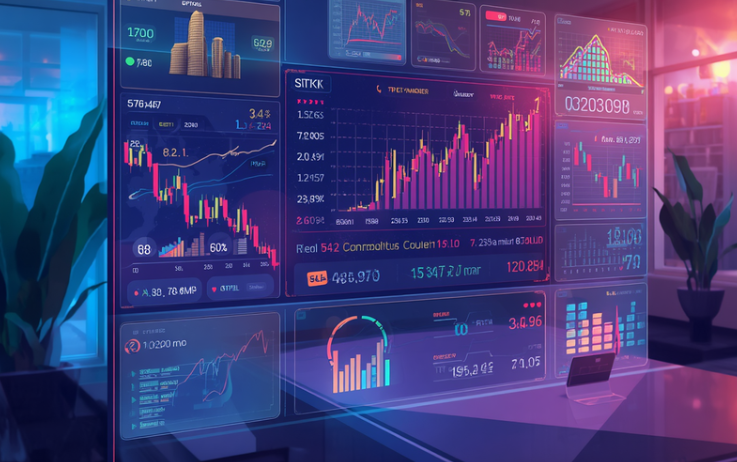
A seamless platform solves that problem by bringing several markets into one organized space. Instead of checking one source for oil, another for metals, and another for grains, users can monitor multiple asset groups through live charts, alerts, watchlists, technical tools, and news panels. This makes the workflow cleaner and helps users act with more confidence.
Real time commodity platforms are not only for professional traders. They also help long-term investors, financial writers, market researchers, procurement teams, and business owners who rely on raw material pricing. For example, a company that buys fuel, metals, or agricultural inputs may want to watch price trends before making purchasing decisions. Likewise, an investor may want to understand whether inflation pressure is rising through energy and food prices.
The value of these platforms comes from speed, clarity, and structure. However, the best option is not always the most complex one. A strong platform should provide reliable live data, simple navigation, useful alerts, and flexible market coverage. More importantly, it should help users interpret information instead of overwhelming them with too many numbers.
Why Seamless Commodity Tracking Matters
Commodity markets are deeply connected to the real world. A drought can affect crop prices, while a production cut can influence oil. At the same time, a stronger dollar can pressure gold, silver, copper, and other internationally priced commodities. Because these markets interact with currencies, bonds, stocks, and economic data, traders need tools that can show several relationships at once.
Real time commodity platforms make this easier by allowing users to compare price movement across different sectors. For instance, someone may want to compare crude oil with natural gas, gold with the U.S. dollar, or copper with broader industrial demand. When these comparisons appear in one dashboard, patterns become easier to see.
Another reason seamless tracking matters is volatility. Commodity prices can react sharply to inventory reports, central bank comments, weather forecasts, trade restrictions, shipping issues, and unexpected political events. Even a small delay can change the quality of a decision. Therefore, having live updates and customizable alerts can make the difference between noticing a move early and reacting too late.
These platforms also reduce confusion. When information comes from many disconnected sources, users may struggle to decide which number matters most. A dedicated platform can organize live prices, historical charts, volume data, market news, and technical indicators into a cleaner experience. As a result, users spend less time searching and more time analyzing.
Real time commodity platforms are especially useful for people who track multiple commodities rather than just one market. A gold-focused trader may only need precious metals data, but a broader market participant may want energy, metals, crops, livestock, and soft commodities in one place. This wider view can reveal whether a price move is isolated or part of a larger trend.
For example, rising oil prices may affect transportation costs, which can then influence food prices and inflation expectations. Meanwhile, strong copper demand may suggest industrial growth, while falling natural gas prices may affect energy producers and utilities. Since these relationships can shift quickly, a connected platform helps users follow the bigger story.
A seamless system also supports better planning. Instead of reacting emotionally to headlines, users can create watchlists, set price levels, follow trendlines, and compare historical behavior. Over time, this structured approach can lead to better decision-making and more consistent market awareness.
Core Features to Look For
The first feature to consider is real-time price data. A platform should provide live or near-live updates for the commodities that matter most to the user. This may include crude oil, Brent oil, natural gas, gasoline, heating oil, gold, silver, platinum, palladium, copper, corn, wheat, soybeans, sugar, coffee, cocoa, and cotton. The wider the coverage, the easier it becomes to monitor broad market conditions.
Charting tools are also important. Real time commodity platforms should allow users to view different timeframes, from short-term intraday charts to longer weekly or monthly trends. Candlestick charts, line charts, moving averages, volume indicators, support and resistance tools, and comparison overlays can all help users study price behavior more clearly.
Alerts are another key feature. Markets do not wait for users to check their screens, so price alerts can help track important levels. A useful platform should allow alerts based on price movement, percentage change, technical signals, or news events. This can help users avoid constant screen-watching while still staying informed.
News integration can add even more value. Commodity prices often move because of events, not just charts. Therefore, platforms that include market news, economic calendars, inventory reports, weather updates, and analyst commentary can give users better context. For example, a sudden move in oil may make more sense when paired with supply news or production data.
Customization also matters. Different users have different goals, so a platform should allow flexible watchlists, saved layouts, preferred indicators, and dashboard organization. A trader may want short-term price alerts, while an analyst may want long-term comparisons. Meanwhile, a business owner may simply want clean price tracking for specific raw materials.
Real time commodity platforms should also make cross-market analysis simple. Users often need to compare commodities with currencies, indexes, bonds, or inflation signals. A platform that supports these comparisons can help users understand whether a move is driven by commodity-specific news or broader market pressure.
Ease of use should not be ignored. A powerful platform loses value if it feels confusing or slow. Clean menus, fast loading charts, clear data labels, and simple alert settings make the experience more practical. This is especially important for users who are not full-time traders but still need reliable market tracking.
Mobile access can also be valuable. Many commodity moves happen outside a user’s normal work hours, especially because global markets react across different time zones. A good mobile experience allows users to check prices, receive alerts, and review charts without being tied to a desktop screen.
Data reliability is one of the most important factors. Commodity prices can differ depending on the exchange, contract month, source, or data delay. Therefore, users should understand whether the platform shows futures prices, spot prices, indexes, or estimates. Clear labeling helps prevent mistakes and improves trust.
Finally, cost should match the user’s needs. Some platforms offer free delayed data, while others provide premium live feeds, advanced analytics, and professional-grade tools. The right choice depends on how often the user trades, how many commodities they track, and how much precision they need.
How These Platforms Improve Market Decisions
Real time commodity platforms improve decisions by creating a faster feedback loop. When users can see price action, news, alerts, and related markets in one place, they can respond with more context. This does not guarantee profits, but it can reduce guesswork and improve market awareness.
For short-term traders, speed is often the main benefit. A trader watching crude oil may need to know when price breaks through a key level. At the same time, they may want to monitor the dollar, bond yields, and energy news. When everything appears together, decisions can become quicker and more organized.
For longer-term investors, the benefit is perspective. Commodity trends can influence inflation, sector performance, currency movement, and portfolio positioning. By tracking several raw materials over time, investors can identify whether inflation pressure is broadening, cooling, or shifting between sectors.
Businesses can also use these tools for planning. A manufacturer that depends on copper or fuel may want to monitor price trends before placing orders. A food-related business may watch agricultural commodities to understand possible cost changes. Because commodity prices affect margins, better tracking can support smarter timing and budgeting.
Real time commodity platforms also help users avoid relying on headlines alone. News can be useful, but price action often tells a more complete story. For example, a bullish headline may not matter if the market fails to move higher. On the other hand, a quiet market may suddenly break out before major commentary appears. Combining live charts with news gives users a balanced view.
Another advantage is risk management. Alerts, watchlists, and comparison charts can help users notice when conditions are changing. If several energy commodities rise together, that may signal broader pressure. If gold rises while industrial metals fall, it may suggest a shift toward safety rather than growth. These patterns help users think beyond one isolated price.
Real time commodity platforms can also support better research habits. Instead of making decisions based on one chart, users can compare related markets and review historical behavior. This creates a more disciplined process. Over time, disciplined observation can be more valuable than chasing every price move.
However, users should remember that live data can create pressure. Faster information does not always mean better decisions. In fact, too many alerts and short-term movements can lead to overreaction. Therefore, the best approach is to use these platforms with a clear plan. Users should decide which commodities matter, which signals are useful, and which alerts deserve attention.
A clean workflow can make the platform more effective. For example, users might start with a broad commodity dashboard, then review watchlists, check major news, compare charts, and finally assess specific price levels. This simple routine keeps the process focused and prevents information overload.
Building a Smarter Commodity Dashboard
A strong dashboard begins with the right market groups. Most users benefit from separating commodities into energy, metals, agriculture, and soft commodities. This structure makes it easier to scan the market quickly. Energy may include crude oil, Brent oil, natural gas, and refined products. Metals may include gold, silver, copper, platinum, and palladium. Agriculture may include corn, wheat, soybeans, and livestock. Soft commodities may include coffee, sugar, cocoa, and cotton.
Real time commodity platforms become more useful when users design dashboards around actual goals. A day trader may want fast charts, short timeframes, and tight alerts. A long-term investor may prefer weekly trends, macro news, and comparison charts. A business owner may want price summaries, trend direction, and alerts for purchasing levels.
Watchlists should stay focused. Although it may be tempting to track every commodity, too many symbols can reduce clarity. Users should begin with the markets that matter most, then add related commodities over time. For example, someone who tracks gold may also watch silver, the dollar, and bond yields. Someone who tracks oil may also watch natural gas, gasoline, and energy sector news.
Chart layouts should also support the user’s process. A simple layout might include one main chart, one comparison chart, a news panel, and a watchlist. This is often better than filling the screen with too many indicators. Clear visuals help users notice important movement without getting distracted.
Alerts should be meaningful rather than constant. A useful alert may involve a key support level, a breakout area, a major percentage move, or a scheduled report. Too many alerts can create noise, while too few alerts can lead to missed changes. Therefore, users should review and adjust alert settings regularly.
Real time commodity platforms can also support journaling and review. Users who make trading or purchasing decisions can record why they acted, what data they reviewed, and what happened afterward. This practice can reveal patterns in decision-making and improve future judgment.
Another smart approach is to combine technical and fundamental views. Technical tools show price behavior, while fundamental data explains possible causes. For example, oil traders may follow price charts, inventory reports, production updates, and demand forecasts. Agricultural users may combine charts with weather, crop reports, and export data. Metals traders may watch real yields, currency movement, and industrial demand.
The goal is not to predict every move perfectly. Instead, the goal is to build a clearer picture of market conditions. When users understand what is moving, why it may be moving, and how related markets behave, they can make better-informed choices.
Choosing the right platform may take testing. Some users prefer simple browser-based tools, while others need advanced terminals or professional data feeds. A practical trial period can help users decide whether the platform feels fast, reliable, and easy to use. During that test, users should check chart speed, alert accuracy, mobile access, data coverage, and overall workflow.
Real time commodity platforms should feel like decision-support systems, not just price boards. The best tools help users connect data points and reduce confusion. They provide speed, but they also support structure. That combination is what makes modern commodity tracking more effective.
Conclusion
Real time commodity platforms are valuable because commodity markets move quickly, react to global events, and influence many financial decisions. Whether someone tracks gold, oil, natural gas, copper, wheat, coffee, or several markets at once, a seamless platform can make the process faster and clearer.
The best platforms bring live data, charts, alerts, news, watchlists, and comparison tools into one organized space. As a result, users can spend less time searching for updates and more time understanding market direction. This matters for traders, investors, analysts, and businesses that rely on raw material prices.
Still, the platform is only part of the process. Users also need clear goals, focused watchlists, useful alerts, and a disciplined routine. When technology supports a thoughtful workflow, real-time data becomes more than noise. It becomes a practical tool for sharper market awareness.
Real time commodity platforms help users follow multiple markets without feeling scattered. With the right setup, they can track trends, compare sectors, respond to important changes, and build a more confident approach to commodity analysis.
FAQ
1. What Should I Look For in a Commodity Tracking Platform?
Look for reliable live data, broad market coverage, easy charting, customizable alerts, and a clean dashboard. A good platform should help you follow prices without creating confusion.
2. Are Live Commodity Dashboards Useful for Beginners?
Yes, live dashboards can help beginners understand how different markets move. However, beginners should start with a simple watchlist and avoid using too many indicators at once.
3. Can I Track Metals, Energy, and Agriculture in One Place?
Many modern platforms allow users to track metals, energy, grains, soft commodities, and other raw materials from one dashboard. This makes cross-market analysis much easier.
4. Do Commodity Platforms Help With Long-Term Investing?
Yes, they can help long-term investors monitor inflation trends, sector movement, supply pressure, and broad economic signals. They are not only useful for short-term trading.
5. How Can I Avoid Information Overload When Tracking Commodities?
Start with the markets that matter most to your goals. Then use focused alerts, simple chart layouts, and organized watchlists to keep your workflow clear.