
Learning how to track investment risk real time is essential in today’s fast-moving markets, especially during periods of high volatility. Prices can shift within seconds, and without a clear system, it becomes difficult to respond effectively. Because of this, investors who monitor risk in real time gain a major advantage in protecting their capital and making informed decisions.
At the same time, volatility often creates uncertainty and emotional pressure. However, when you track investment risk real time using the right tools and strategies, you reduce guesswork and gain clarity. Instead of reacting to sudden market changes, you anticipate them. This proactive approach helps you stay disciplined and consistent, even in unpredictable conditions.
Why Real-Time Risk Tracking Matters
To fully understand how to track investment risk real time, you need to recognize why timing is so important. Markets do not wait, and delayed information can lead to missed opportunities or unnecessary losses. Therefore, having access to live data allows you to react quickly and adjust your strategy.
For example, sudden price drops can increase exposure to risk. If you are not monitoring your positions, losses can grow rapidly. On the other hand, real-time tracking helps you identify these changes early and take action.
In addition, real-time monitoring improves awareness. You can see how your portfolio responds to market events, which helps you understand your overall risk level. This insight is crucial for maintaining control during volatile periods.
Using Dashboards for Instant Visibility
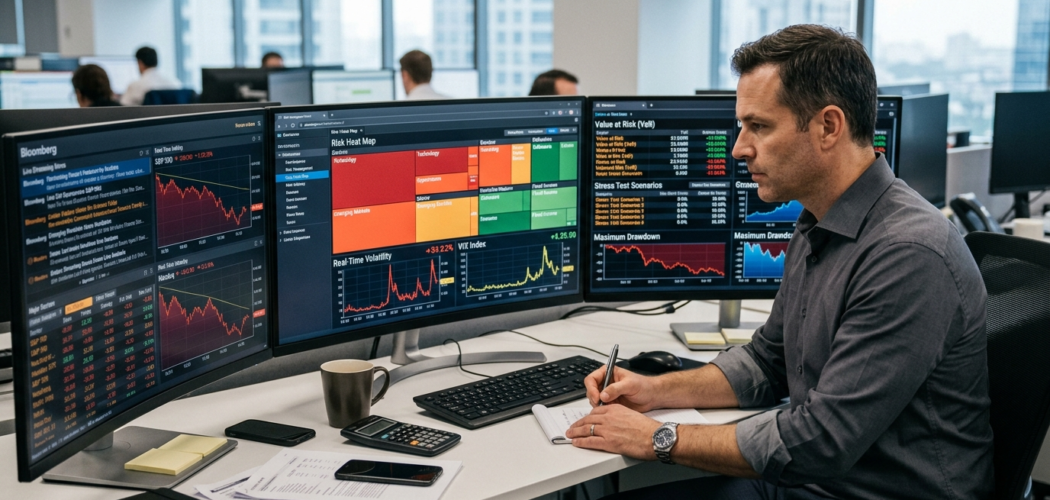
One of the most effective ways to track investment risk real time is by using dashboards. A well-designed dashboard brings together all your data in one place, making it easier to analyze and respond.
Dashboards typically include key metrics such as portfolio value, asset allocation, and price changes. By viewing these metrics together, you gain a comprehensive understanding of your risk exposure. This centralized approach saves time and reduces confusion.
Moreover, dashboards allow customization. You can choose which assets to monitor and how to display information. This flexibility ensures that your system matches your strategy. As a result, you stay focused on what matters most.
Monitoring Volatility Indicators
To successfully track investment risk real time, understanding volatility indicators is essential. These indicators measure how much prices fluctuate and help you assess market conditions.
For instance, the Average True Range (ATR) shows the average price movement over a specific period. A rising ATR indicates increasing volatility, while a declining ATR suggests stability. By tracking this indicator, you can adjust your strategy accordingly.
Similarly, Bollinger Bands expand during high volatility and contract during stable periods. This visual cue helps you identify changing conditions quickly. By incorporating these tools, you enhance your ability to manage risk effectively.
Setting Alerts for Immediate Action
Alerts are a simple yet powerful way to track investment risk real time. Instead of constantly watching the market, you can set notifications for specific conditions. These alerts inform you when prices reach certain levels or when volatility increases.
For example, you can set alerts for stop-loss levels or significant price movements. When triggered, these notifications allow you to act immediately. This responsiveness is crucial during volatile periods.
In addition, alerts reduce stress. You do not need to monitor every movement manually. Instead, you focus on key signals and respond when necessary. This approach improves efficiency and decision-making.
Using Position Sizing to Control Risk
Position sizing plays a critical role when you track investment risk real time. It determines how much capital you allocate to each trade or investment. By managing position size, you control your exposure to market fluctuations.
For example, risking a small percentage of your portfolio on each trade limits potential losses. Even during high volatility, this approach protects your overall capital. As a result, you maintain stability.
In addition, adjusting position sizes based on market conditions helps you stay flexible. During periods of high volatility, reducing exposure can minimize risk. This adaptability is essential for long-term success.
Integrating Economic Data and News
To effectively track investment risk real time, you must consider external factors such as economic data and news events. Markets often react quickly to these developments, which can increase volatility.
For instance, central bank announcements or inflation reports can trigger significant price movements. By monitoring these events, you can anticipate changes in risk levels. This foresight allows you to prepare rather than react.
At the same time, focusing on reliable sources is important. Not all news has the same impact. By filtering relevant information, you improve your analysis and avoid unnecessary distractions.
Using Risk-Reward Analysis for Better Decisions
Another important method to track investment risk real time is risk-reward analysis. This approach evaluates the potential return of a trade compared to its risk. By understanding this balance, you make more informed decisions.
For example, a trade with high potential reward but low risk is more attractive than one with equal risk and reward. By focusing on favorable setups, you improve your overall performance.
In addition, risk-reward analysis helps you stay disciplined. Instead of entering trades impulsively, you evaluate each opportunity carefully. This structured approach reduces unnecessary losses.
Avoiding Emotional Reactions During Volatility
Emotional control is essential when you track investment risk real time. Volatility can trigger fear and panic, leading to impulsive decisions. However, reacting emotionally often increases risk rather than reducing it.
To manage emotions, it is important to trust your system. By relying on data and predefined rules, you avoid unnecessary stress. This approach helps you stay focused and consistent.
In addition, taking a step back during extreme market conditions can improve clarity. By maintaining perspective, you make better decisions and avoid common mistakes.
Building a Consistent Monitoring Routine
Consistency is key when you track investment risk real time. A structured routine ensures that you remain informed and prepared. Without consistency, even the best tools lose effectiveness.
A typical routine might include reviewing your dashboard, checking volatility indicators, and monitoring news updates. This process helps you stay updated on market conditions.
Moreover, keeping a record of your observations allows you to track progress. Over time, you identify patterns and refine your strategy. This continuous improvement strengthens your ability to manage risk.
Combining Tools for a Complete System
To effectively track investment risk real time, combining multiple tools is essential. No single tool provides all the information you need. Therefore, integrating different resources creates a more comprehensive system.
For example, using dashboards, indicators, alerts, and economic calendars together provides a complete view of the market. Each tool offers unique insights, which together improve decision-making.
In addition, combining tools helps confirm signals. When multiple indicators align, confidence in your analysis increases. This confirmation reduces uncertainty and supports better outcomes.
Conclusion
Learning how to track investment risk real time is one of the most valuable skills for navigating volatile markets. By using dashboards, indicators, alerts, and structured strategies, you gain control over your portfolio and reduce exposure to sudden changes. This proactive approach allows you to respond quickly and make informed decisions.
At the same time, success depends on consistency and discipline. By building a reliable system and avoiding emotional reactions, you create a strong foundation for long-term growth. Ultimately, those who monitor risk effectively are better equipped to handle volatility and achieve more stable results.
FAQ
- Why is real-time risk tracking important for investors?
It helps identify market changes instantly, allowing faster decisions and better protection against losses. - What tools are best for monitoring investment risk?
Dashboards, trading platforms, and volatility indicators are commonly used for effective monitoring. - How do alerts help manage market risk?
Alerts notify you of key changes, allowing you to act quickly without constant monitoring. - Can beginners track risk effectively in volatile markets?
Yes, with simple tools and a structured approach, beginners can manage risk successfully. - How often should risk levels be reviewed?
Regular monitoring, ideally daily or in real time, helps maintain control during changing market conditions.